Plumbing and trade services have always been hands-on. Tools, trucks, and practical experience are still at the core of what we do. But behind the scenes, the way modern trade businesses operate has changed significantly.
Customer expectations are higher than they used to be. People want faster response times, clearer communication, and confidence that the job is being handled professionally from start to finish. Technology hasn’t replaced the trade, but it has changed how well a business can deliver on those expectations.
Here’s what we’ve learned from operating on the job every day.
Plumbing Has Changed Even If the Tools Still Look the Same
From the outside, plumbing can look much the same as it always has. Pipes still need fixing, drains still block, and emergencies still happen at inconvenient times.
What has changed is how jobs are booked, prioritised, managed, and communicated. Modern plumbing businesses rely on systems that allow work to be handled more efficiently, with less guesswork and fewer delays.
The result isn’t just speed, it’s consistency. Customers experience a more organised service, and technicians are supported by clearer processes rather than organised chaos.

Faster Response Times Start With Better Systems, Not Faster Driving
Emergency plumbing isn’t just about getting to a job quickly. It’s about understanding urgency, assigning the right technician, and ensuring the right equipment is available the first time.
Job management systems allow urgent call-outs to be identified and prioritised properly. GPS scheduling and smarter routing reduce wasted time and help technicians move efficiently between jobs.
When systems work well, customers wait less, technicians are less rushed, and fewer issues are left unresolved or require return visits.

Clear Communication Is No Longer Optional
One of the biggest changes in trade services has been customer expectations around communication.
People want to know:
- When someone is coming
- What the likely issue is
- What the next steps will be
Technology makes this easier to manage. Real-time scheduling, accurate arrival windows, and clear handover between office staff and technicians reduce uncertainty for everyone involved.
Better communication leads to fewer misunderstandings, smoother jobs, and a better experience overall.
Diagnostics and Detection Have Become More Precise
Modern plumbing relies far less on trial and error than it once did.
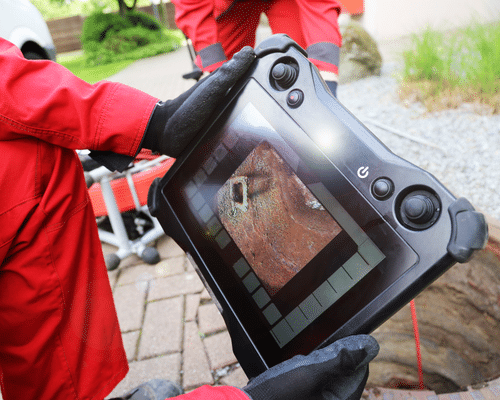
Tools like CCTV drain inspections and advanced leak detection allow problems to be identified accurately without unnecessary damage. This means issues can be explained more clearly to customers and resolved more efficiently.
More precise diagnostics lead to faster fixes, more accurate pricing, and less invasive work, outcomes that benefit both customers and technicians.
Compliance, Certification, and Accountability Are Built Into the Process
Plumbing, gasfitting, and drainage work must meet strict compliance and safety standards. Today, technology plays a key role in making sure those standards are consistently met.
Digital systems help track certifications, record completed work properly, and maintain accountability across every job. This protects customers and ensures work is carried out to the correct standard every time.
Professional trade services are no longer just about technical skill, they’re about systems that support quality and compliance at scale.
Reviews and Feedback Have Changed How Trade Businesses Improve
Customer feedback is no longer occasional or private. Reviews are immediate, visible, and often detailed.
Modern trade businesses can use this feedback to understand what customers value most and where improvements are needed. Instead of relying on individual comments, patterns emerge over time.
Recently, we conducted a review analysis of our own Google feedback and compared it against five established plumbing companies operating across Auckland.
What stood out clearly was responsiveness.
Assist Trade Services ranked #1 for responsiveness, with 75% of our Google reviews directly referencing speed, fast response times, or reliability – a significantly higher proportion than any of the other companies reviewed.
This wasn’t based on a single standout review. It was a consistent pattern across dozens of customer experiences.
It’s not just something we say, it’s what our customers repeatedly highlight when they choose to leave feedback.
If you’d like to understand how that responsiveness plays out in real-world situations, especially during urgent call-outs, you can read more here: When You Need a Plumber Fast: Why Aucklanders Call ATS First
Technology Doesn’t Replace Experience - It Supports It
No system or software replaces years of hands-on experience. The best outcomes happen when technology supports skilled technicians, not when it tries to replace them.
Experience, judgement, and workmanship still matter most. Technology simply provides the structure that allows those skills to be delivered more consistently and reliably.
Well-run trade businesses use systems to support their people, not the other way around.
What This Means for Customers Choosing a Plumbing or Trade Service
For customers, the impact of technology should feel simple.
A modern, well-run plumbing business should feel:
- Organised
- Transparent
- Reliable
Clear communication, professional follow-through, and fewer surprises are signs that systems are working properly behind the scenes.
Technology isn’t the selling point, the outcome is.
Looking Ahead - Customer Expectations Will Keep Rising
Our Google review analysis also highlighted where customer expectations are heading.
Customers increasingly expect:
- Faster response times, particularly for urgent work
- Better updates, so they’re not left wondering what’s happening
- More accountability, with clear follow-through and fewer surprises
These expectations are shaped by real experiences, not marketing claims.
This is where data becomes critical.
Regularly reviewing feedback, spotting patterns, and sense-checking how a business actually performs allows trade companies to make better decisions, not just about technology, but about staffing, scheduling, communication, and service standards.
Businesses that actively use data to understand their performance can maintain and lift standards over time. Those that don’t risk falling behind, even if the quality of their work on the tools hasn’t changed.
Final Thought
At Assist Trade Services, technology and data aren’t about doing more, they’re about doing better, consistently, for the people who rely on us when it matters most.